

Commercial Vehicle Finance
Date
29 June 2026
Share

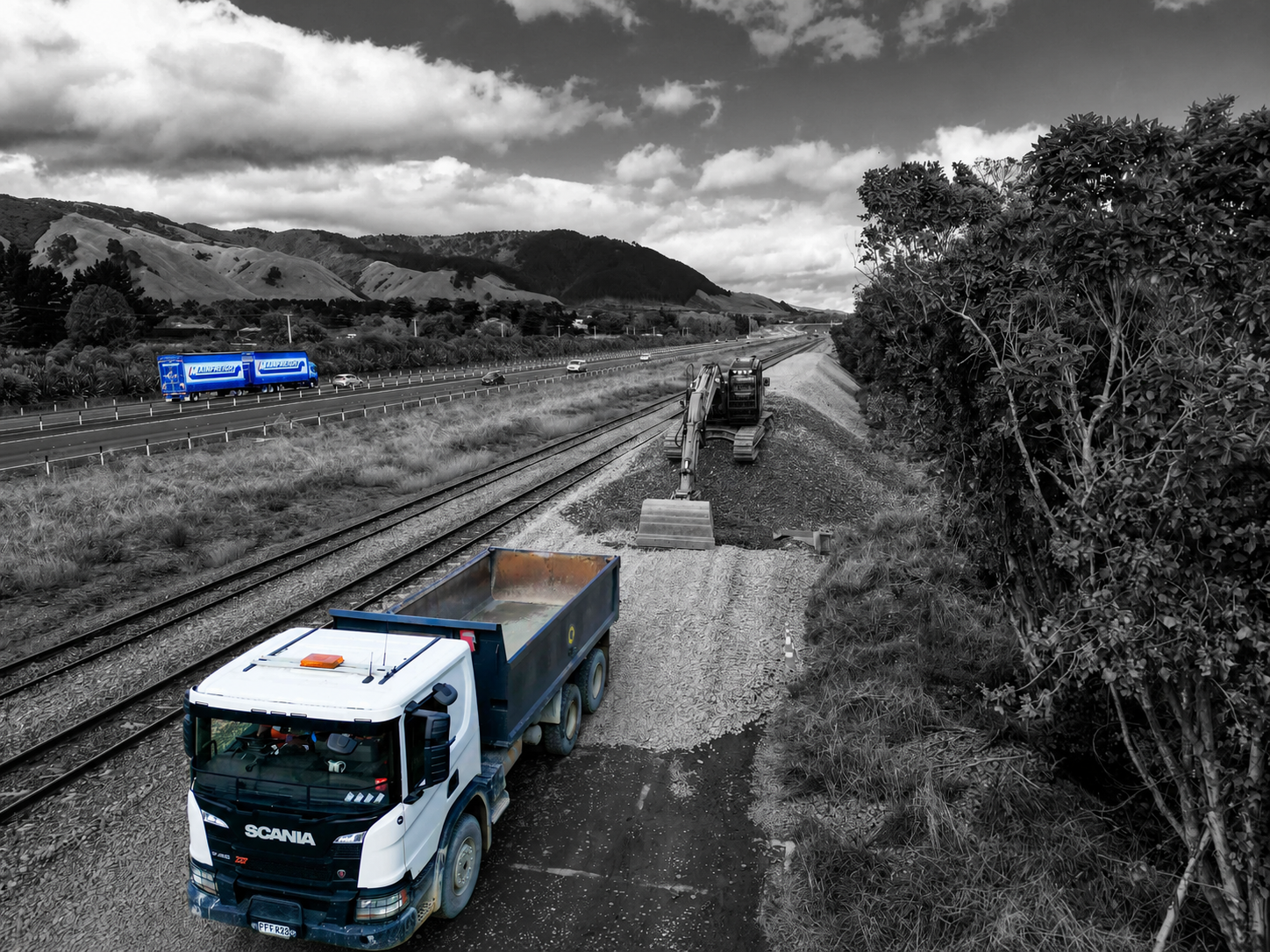
If your commercial vehicle finance term is coming to an end, replacing the asset is not the only option. It may be the right time to review your vehicle, operating costs, cash flow and future plans before deciding whether to keep, replace, refinance or rethink.
Is it time to review your commercial vehicle finance?
In the current market, many New Zealand businesses have delayed capital expenditure where possible, choosing to get more life out of existing vehicles, trucks and equipment. For some, that has been the right decision. But as commercial vehicles age, the cost of fuel, servicing, maintenance, downtime and lost efficiency can start to add up.
The end of a finance term is a natural opportunity to step back and review what is right for your business. It does not automatically mean you need to replace the asset. It does mean it is worth looking at your vehicle, your operating costs, your cash flow and your future plans before deciding what comes next.
Whether you operate a single ute, a fleet of trucks or specialised commercial vehicles, reviewing your finance options early can help you make a more informed decision.
1. Should you keep it, replace it or rethink it?
Replacing a vehicle is not always the right answer. Equally, keeping an older vehicle is not always the most cost-effective option.
The best decision depends on how the vehicle is performing today and what your business needs over the coming years. A vehicle that is still reliable, efficient and fit for purpose may be worth keeping. But if running costs, breakdowns or downtime are increasing, it may be time to look at replacement or refinancing options.
2. What is your commercial vehicle really costing you?
Monthly finance repayments are only one part of the equation. The true cost of a commercial vehicle also includes fuel, servicing, tyres, repairs, insurance, downtime and resale value.
Looking at the total cost of ownership can provide a clearer picture of whether keeping the vehicle is still working for your business, or whether upgrading could deliver better value over time.
3. Could a newer vehicle reduce operating costs?
Newer commercial vehicles may offer improved fuel efficiency, lower maintenance costs, better safety features and greater reliability. In some cases, these day-to-day savings can help offset the cost of upgrading.
For businesses where vehicles are central to operations, even small improvements in fuel use, reliability or productivity can make a meaningful difference over the life of the asset.
4. What is the best use of your cash flow?
Once a finance term comes to an end, your business may have more flexibility. The question is how that cash flow is best used.
For some businesses, it may make sense to strengthen working capital. For others, it may be better to invest in growth, upgrade equipment or contribute towards the next vehicle purchase.
There is no one-size-fits-all answer. The right decision depends on your wider business position, cash flow needs and future plans.
5. What is vehicle downtime costing your business?
A vehicle that is off the road does not just create repair bills. It can also lead to missed jobs, delayed deliveries, disrupted schedules and lost productivity.
If reliability is becoming an issue, the cost of downtime may outweigh the cost of replacing the asset. This is especially important for transport operators, trades, contractors and businesses that rely on vehicles to generate income every day.
6. Is the vehicle still fit for purpose?
Businesses change. The vehicle that suited your operation a few years ago may not be the best fit today.
Changes in workload, payload, routes, staffing, contracts or customer expectations can all affect whether your current vehicle or fleet still meets your needs. Reviewing your commercial vehicle finance is also an opportunity to consider whether the asset itself still supports the way your business now operates.
7. Have you considered the tax implications?
Tax can also play a role in the timing of your decision. Depending on your circumstances, depreciation and initiatives such as Investment Boost may be worth discussing with your accountant before deciding whether to upgrade, retain or replace a vehicle.
It is important to consider both the finance structure and the tax position before making a final decision.
8. Is now the right time to trade?
Trading or selling a vehicle while it still holds reasonable market value may provide a better financial outcome than waiting until maintenance costs rise or resale value declines further.
If your finance term is coming to an end, it may be worth reviewing the vehicle’s current market value and comparing that with the likely cost of keeping it for another term.
9. Does your next finance structure still suit your business?
If you decide to upgrade, it is worth reviewing more than just the vehicle. Your business may have changed since your last finance arrangement was put in place.
A different lender, term, repayment structure or finance product may better support your cash flow, asset use and business goals. Reviewing your finance structure can help ensure the next arrangement is still fit for purpose.
10. Are you giving yourself enough time?
The best finance decisions are rarely made at the last minute. Reviewing your options before your finance term ends gives you time to compare vehicles, understand finance options, talk to your accountant if needed, and make a well-informed decision without unnecessary pressure.
Early planning also gives your adviser more time to explore options across different lenders and structures.
Review your commercial vehicle finance before your term ends
At Finance New Zealand, we do not believe the end of a finance term should automatically mean replacing the asset. It is an opportunity to review your commercial vehicles, finance options and business goals before deciding what comes next.
Whether you operate a single ute, a fleet of trucks or specialised commercial vehicles, our advisers can help you weigh up your options and consider what structure may best support your business.
Need help reviewing your commercial vehicle finance?
If your vehicle finance term is coming to an end, or you are unsure whether to keep, replace, refinance or restructure, get in touch with Finance New Zealand.
Our team can help you review your options and talk through your wider business finance needs.
Similar Posts
12 August 2026
What IPP3A Means for Finance New Zealand Clients
From 1 May 2026, a new privacy requirement known as Information Privacy Principle 3A (IPP3A) came into effect under New Zealand’s Privacy Act. The change is designed to give you greater visibility over where your personal information comes from and how it is being used. For Finance New Zealand clients, the way we help you arrange finance isn’t fundamentally changing. What you may notice is some additional privacy information or notifications when you apply for new lending or make changes to your existing finance.


29 June 2026
Strategic Finance Review for New Zealand businesses
As businesses grow and change, their banking and finance arrangements do not always keep pace. A Strategic Finance Review helps New Zealand business owners, directors and professional advisers assess whether current lending structures, guarantees, security arrangements and banking facilities remain aligned with the business’s cash flow needs, ownership structure and long-term goals



Page Links
Contact us
Finance New Zealand Limited L11 BDO Tower, 19-21 Como Street, Takapuna, Auckland 0622 PO Box 65164, Mairangi Bay 0754 T: (09) 222 0320E: info@financenz.co.nzStay connected



Member of


Proud Sponsors of Auckland Rescue Helicopter Trust
Copyright Finance New Zealand Ltd 2026